
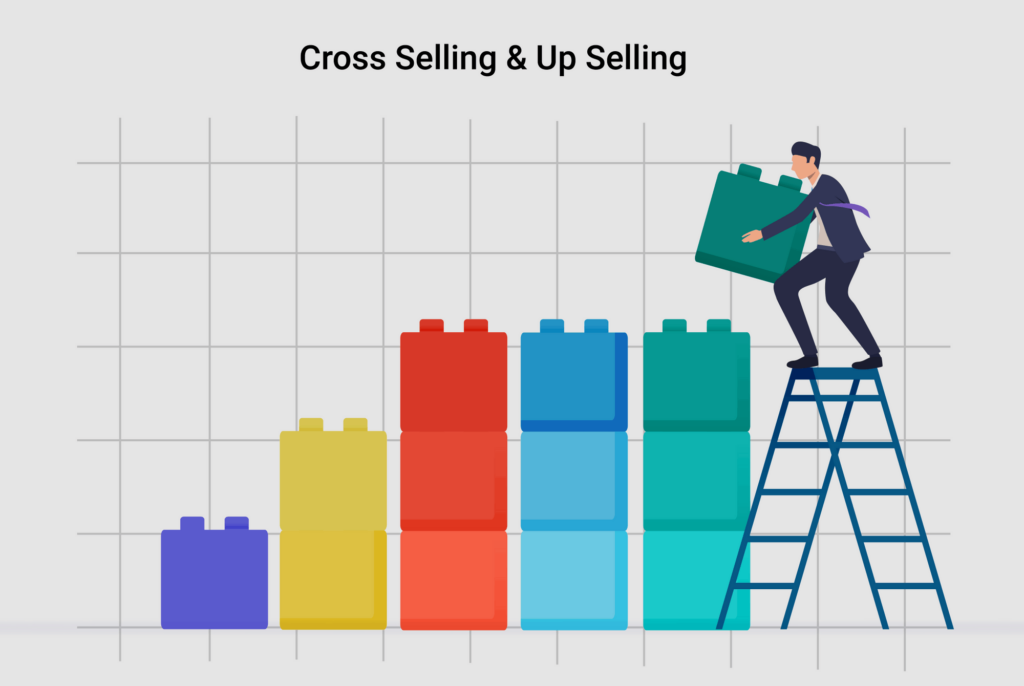

Turning Customer Success into a Continuous Revenue Engine
Customer Success is no longer just about preventing churn it’s about fueling sustainable, recurring growth. In the subscription economy, where retaining a customer is often more valuable than acquiring a new one, expansion has become the ultimate performance indicator.
Smart expansion happens when Customer Success teams evolve from reactive support agents into strategic growth partners identifying opportunities to deliver additional value, while increasing revenue through upsell and cross-sell strategies.
This article explores how to build a Customer Success framework that continuously drives growth, turning satisfaction into expansion and relationships into revenue.
1. The Shift from Retention to Expansion
Traditional Customer Success focused primarily on reducing churn and maintaining satisfaction. But in mature SaaS models, retention alone isn’t enough. Growth happens when you help customers achieve such strong outcomes that they naturally want more of your product.
This mindset shift from “keeping customers happy” to “helping customers grow” changes everything. Customer Success becomes a strategic revenue function, tightly aligned with Sales and Product teams to uncover and act on expansion signals.
2. Understanding Expansion Opportunities
To drive smart expansion, you must recognize the moments when your customer is ready to grow. These are often triggered by:
- Increased product adoption and engagement levels.
- Reaching limits in usage or capacity.
- New organizational needs or business goals.
- Positive feedback or high NPS (Net Promoter Score).
Customer Success teams should build playbooks for these triggers defining when and how to introduce additional value propositions without appearing pushy or sales-driven.
3. Building a Consultative Relationship
Customers buy more when they trust you not when you sell harder.
That’s why the most effective expansion strategies are consultative, not transactional.
In a consultative model, Customer Success Managers (CSMs) act as trusted advisors, aligning product capabilities with the customer’s evolving goals. Instead of pitching upgrades, they demonstrate how an add-on feature or premium plan solves an existing challenge.
Example:
If a SaaS analytics platform notices that a customer is manually exporting data, the CSM might recommend an automation add-on positioning it as a time-saving solution, not an upsell.
4. Data-Driven Expansion: Using Insights to Guide Growth
The most scalable Customer Success teams rely on data signals to identify growth-ready accounts.
Key metrics include:
- Product usage trends: Are users adopting advanced features?
- Account health scores: Do engagement and satisfaction levels indicate readiness?
- Customer milestones: Have they achieved measurable ROI with your product?
By integrating these signals into a Customer Success platform (like Gain sight, Catalyst, or to tango), teams can prioritize high-potential accounts and time expansion outreach precisely.
This data-driven approach replaces guesswork with precision, maximizing revenue opportunities without straining customer relationships.
5. Aligning Customer Success with Revenue Teams
Smart expansion doesn’t happen in isolation. It requires cross-functional collaboration between:
- Customer Success: Identifies expansion potential and ensures value realization.
- Sales: Handles negotiation and commercial execution.
- Product: Provides the innovation that supports upsell pathways.
Companies that align these departments see up to 30–50% higher expansion revenue, because everyone works toward a shared goal customer growth.
A joint Customer Lifecycle Framework ensures smooth transitions from onboarding to adoption, and from adoption to expansion.
6. Empowering CSMs with the Right Tools and Training
Your team can’t drive expansion if they’re not equipped for it.
Provide them with:
- Customer insights dashboards that highlight upsell potential.
- Revenue playbooks detailing how to frame value-based conversations.
- Training on soft skills, such as consultative communication and objection handling.
A confident, empowered CSM can spot opportunities that even sales might miss because they understand the customer’s journey, challenges, and success metrics better than anyone else.
7. Measuring Success: The New Growth Metrics
To make expansion a continuous engine, track more than just revenue. Monitor:
- Net Revenue Retention (NRR): The gold standard metric that combines retention and expansion.
- Customer Lifetime Value (CLV): The long-term profitability of relationships.
- Product adoption growth: How usage deepens post-expansion.
By focusing on outcome-based metrics, teams ensure that expansion reflects real customer success — not forced upgrades or short-term gains.
8. Building a Culture of Continuous Value Delivery
Ultimately, smart expansion thrives in a culture obsessed with customer outcomes.
When every department measures success by how much value customers realize, expansion becomes a byproduct of excellence, not a target to chase.
Customer Success leaders should champion this mindset:
“When customers grow, we grow.”
This cultural alignment ensures every action — from onboarding to renewal contributes to a predictable, scalable revenue engine.
Conclusion: Turning Success into Growth
Customer Success isn’t just a department it’s the heartbeat of sustainable expansion.
By combining data, empathy, and strategic alignment, your business can move from retention-focused to growth-powered.
When you build trust, deliver value, and understand your customers’ evolving goals, expansion stops being a sales pitch it becomes a natural next step in their success journey.
That’s the art of smart expansion: turning customer success into a continuous revenue engine.
